
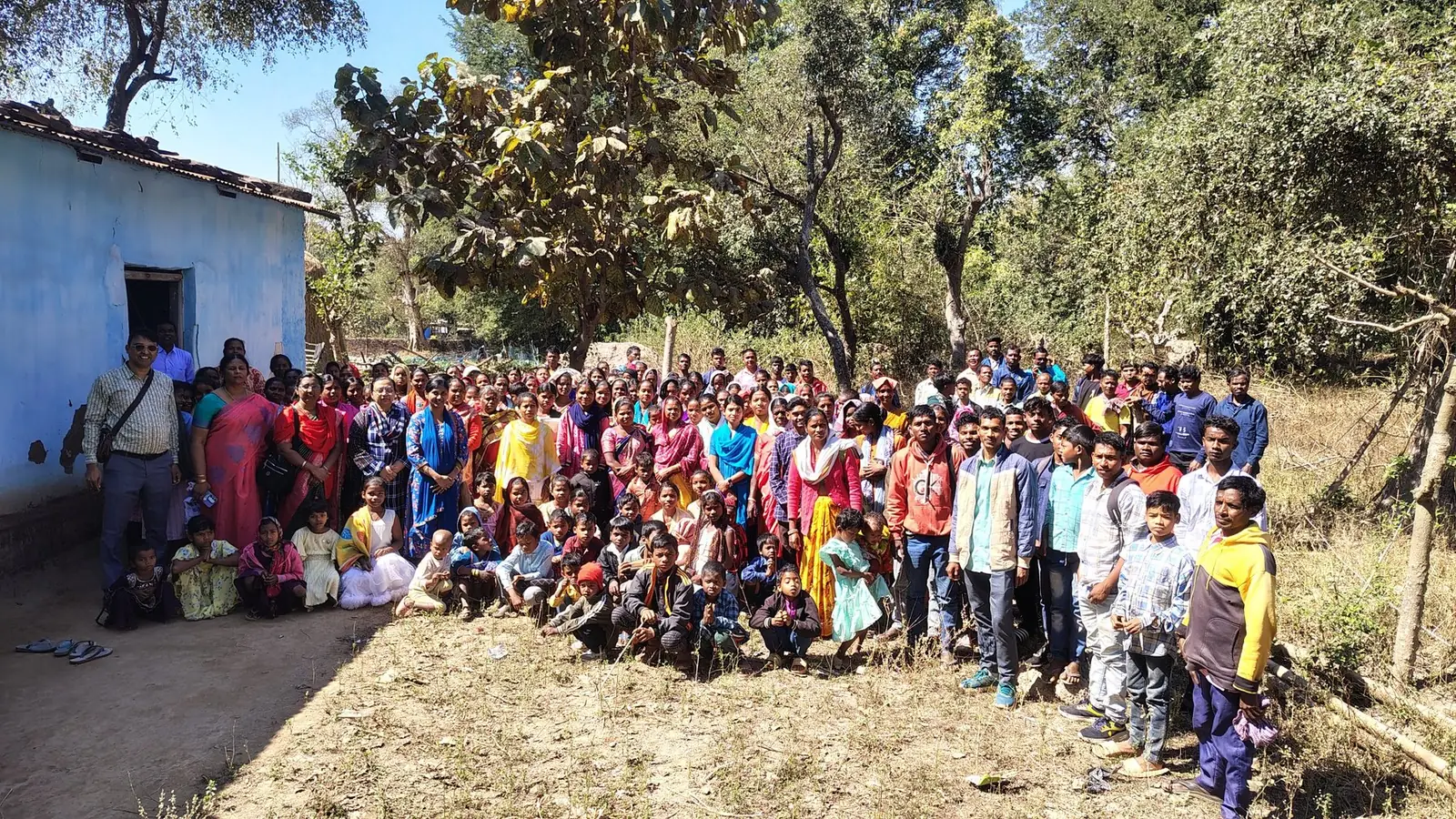
Ordinary believers. Multiplying churches.
We prayerfully start Spirit-led church-planting movements, where ordinary believers share the gospel, gather in homes, and plant churches that plant more.
The pattern
The church in Acts grew through people
It didn’t grow through institutions. Ordinary believers prayed, shared what they had found, gathered in homes, and planted communities that planted more.
The same patterns appear in movements around the world today. People call them church-planting movements or disciple-making movements, and they are what we pray for and work toward in India.
The framework
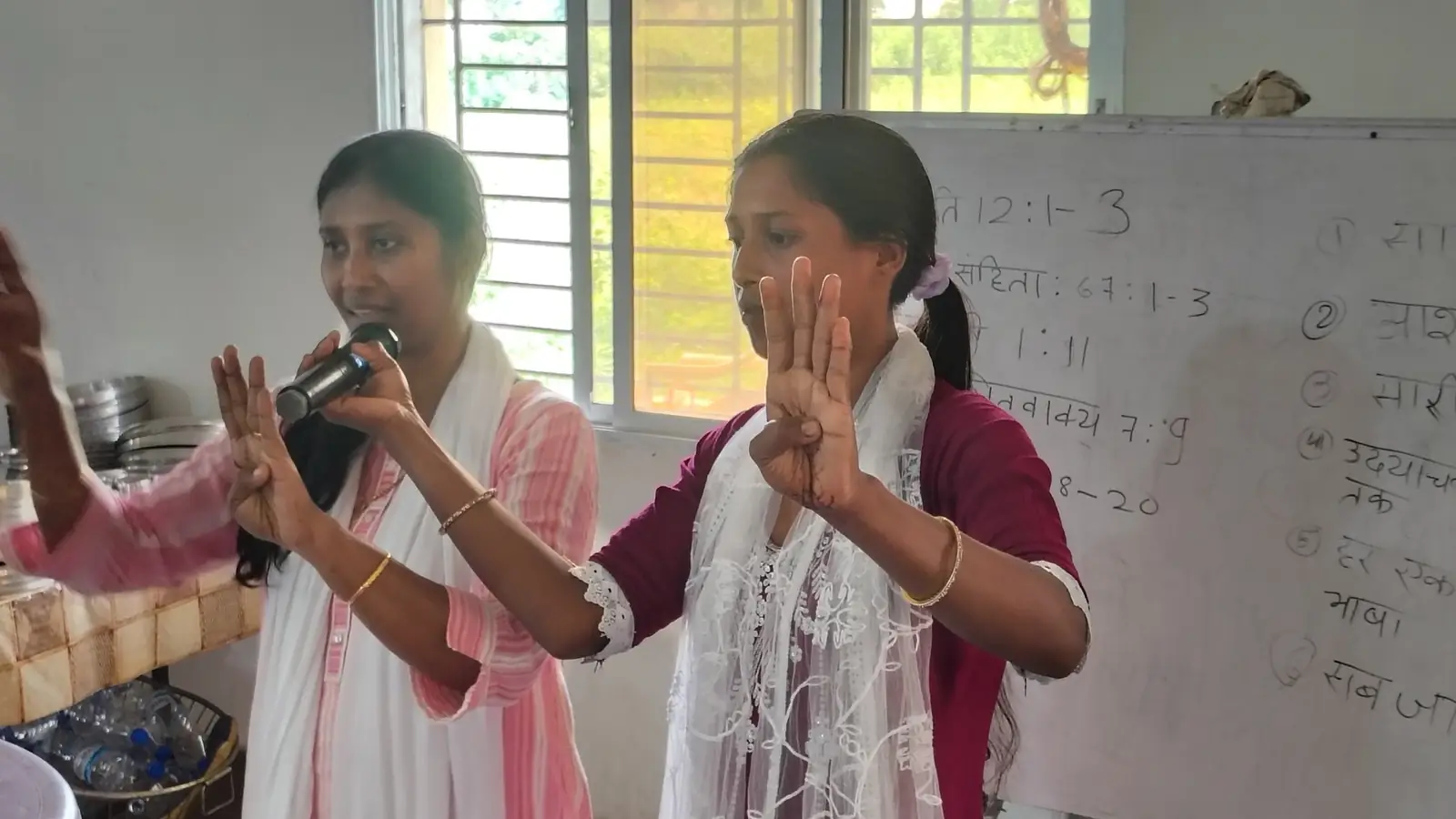
Six principles we build on
David Garrison documented these patterns in movements around the world in his book Church Planting Movements.
-
Prayer First
Movements don't begin with programs or platforms. They begin with people who bring their streets, their families, and their city before God, consistently.
-
Abundant Sharing
When ordinary people share what they have found with neighbors, friends, and strangers, the good news spreads further than any campaign could plan.
-
Scripture as Anchor
Not tradition, and not personality. Groups gather around God's Word, read it together, and ask what it says, what it means, and what they will do.
-
Simple Churches
Small, reproducible gatherings that anyone can host and anyone can lead. A church is people committed to God and to one another, not a building.
-
Local Leaders
Movements don't wait for outsiders to arrive. Local believers step up, shepherd people they know, and lead through challenges they understand firsthand.
-
Churches Plant Churches
Every believer, not just pastors and ordained leaders, gathers others, disciples them, and releases them to do the same.
Scripture as anchor
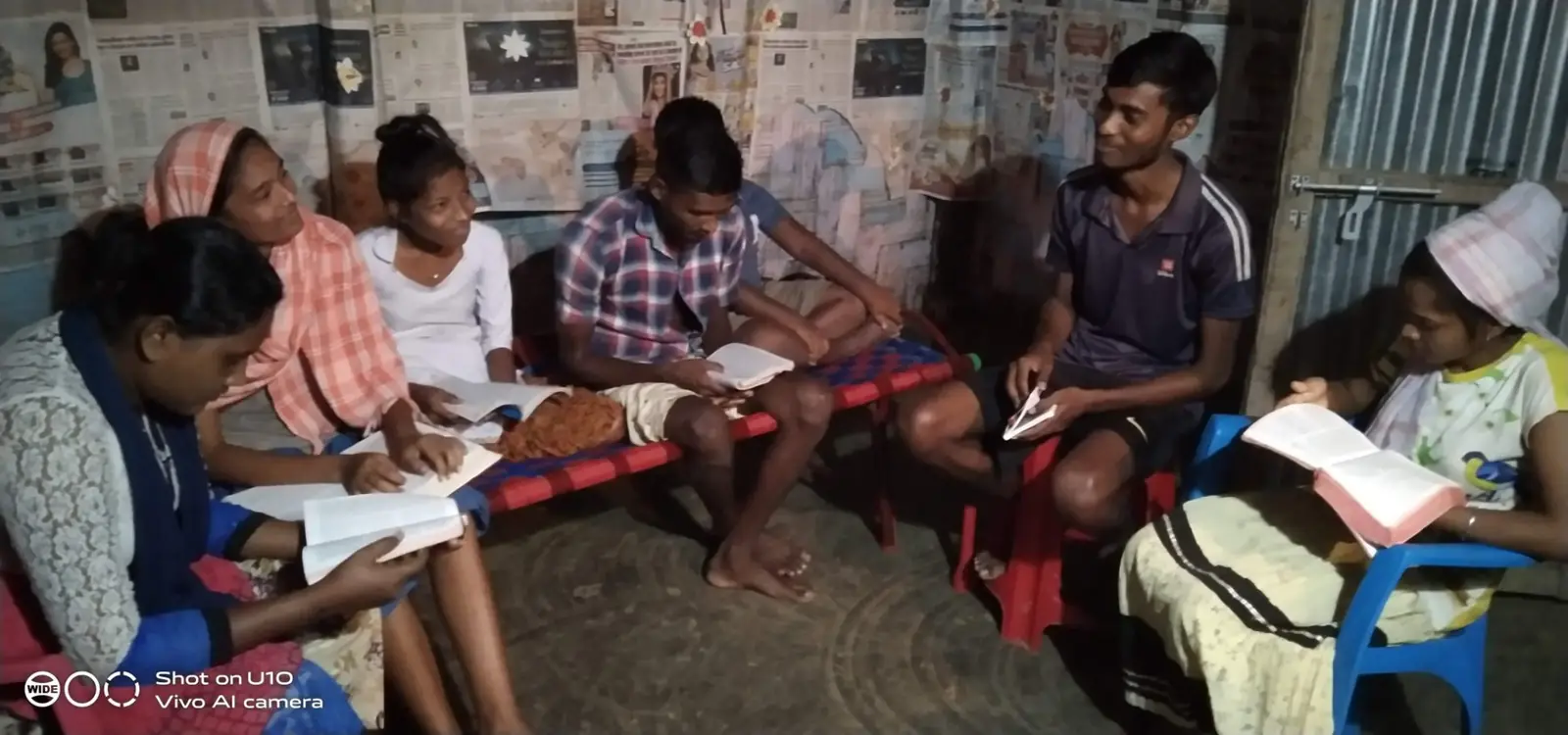
Discovery Bible Study
In a Discovery Bible Study (DBS), a group gathers around God’s Word, reads it together, and asks three questions:
- What does it say?
- What does it mean?
- What will I do this week?
It is simple enough for anyone and deep enough to transform a community. Groups like this meet for Bible study and discipleship in homes and local communities.
How we plant churches
Five steps, each one reproducing
Each movement starts in prayer and aims to reach a whole area or people group. After the first step, every step is about reproducing: evangelism, disciples, churches, and leaders.
The focus is making disciples, not Christianization or adding church members.
- Identifying God-prepared people
- Reproducing evangelism
- Reproducing disciples
- Reproducing churches
- Reproducing leaders
From the field
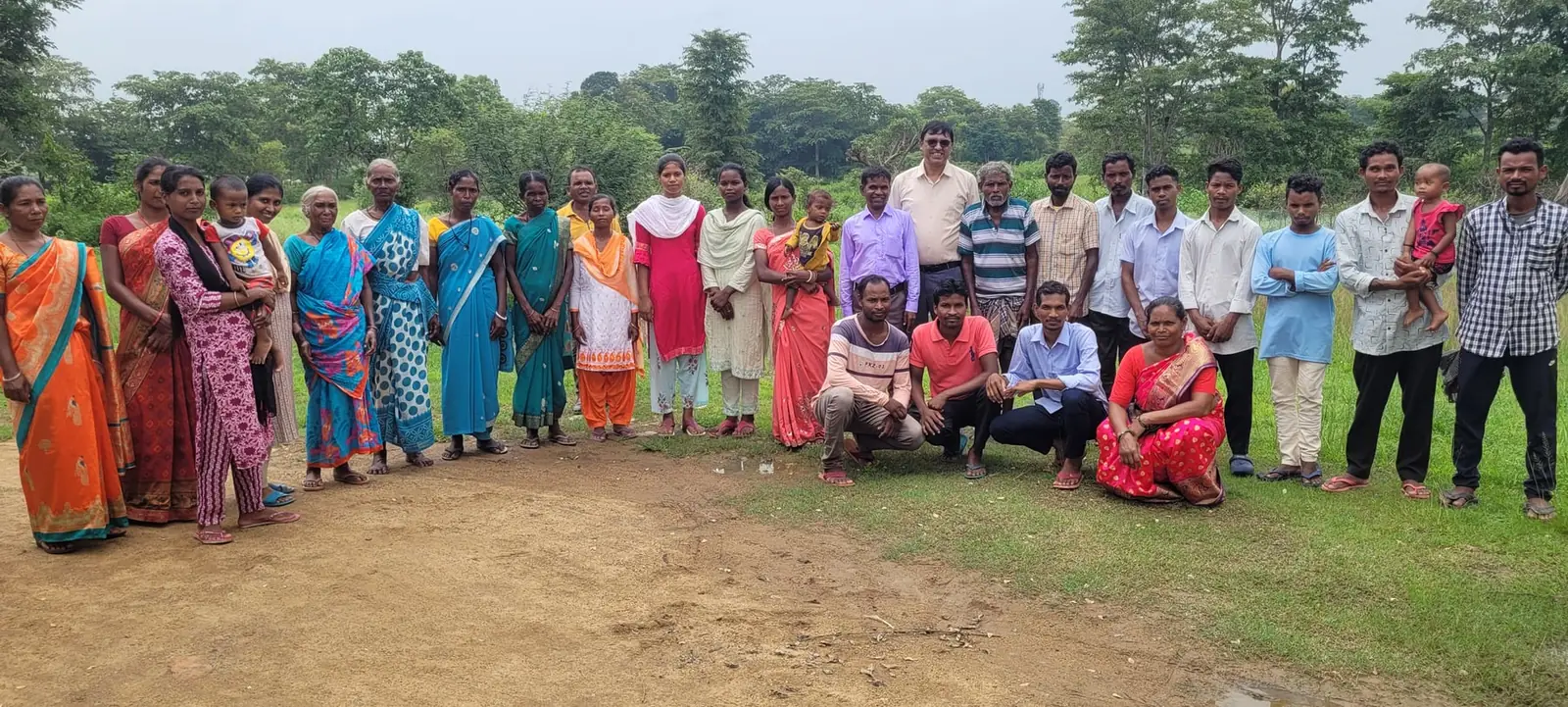
Fellowships that start fellowships
Among the Ho people there are now 13 fellowships, and they include third-generation churches. One fellowship helps another begin, and believers from that fellowship go on to reach another community.
Local disciple makers carry the work. They teach Scripture, host home fellowships, and run Sunday Schools. On one day, 17 people were baptized.
Church health
What a healthy church looks like
We help churches look at their own health with two simple tools. A church health map checks for the nine marks of a healthy church listed here. A church generation map traces which fellowship helped start which, so a church can see the second and third generations that grow from it.
- Baptism
- Breaking of bread
- Disciple making
- Prayer
- Fellowship
- Bible Teaching
- Worship
- Leadership
- Giving
Stand with us
Help healthy churches multiply
Pray with us for healthy fellowships to multiply in unreached villages and communities across India, and for the local leaders who shepherd them.